 Maxillofacial Trauma TeamBiomedical Engineering for OMS← Main site
RESEARCH PROGRAM · CARLOS A. ANDREUCCI, DDS, MSc, PhD
Biomedical Engineering
in service of OMS.
A clinical-engineering program investigating how fixation, implant geometry, autogenous bone, biomaterials and physical forces can work together to improve Oral and Maxillofacial Surgery.
01 / CLINICAL FOUNDATION
Innovation began with restraint, not with more hardware.
Professor Gino Emilio Lasco believed that bone-fixation screws required caution and careful planning. In selected cases, his team prioritized normal function and a surgical technique adapted to the individual rather than rigid fixation. Resorbable sutures could maintain position without rigid hardware. Surgical steel remained indispensable. Plates and screws had their strongest indications in the mandible, where stability could be decisive.
As materials, manufacturing and biomedical engineering improved, fixation systems became more efficient mechanically and biologically. The clinical principle, however, remained unchanged: use the least intervention that can safely preserve function, anatomy and healing.
Technology should serve the biological objective. It should never replace clinical judgment.
02 / THE 2005 OBSERVATION
A 2 mm drill carried the clue.
During an implant procedure in 2005, Carlos A. Andreucci observed that a drill approximately 2 mm in diameter and 10 mm long repeatedly emerged with bone adhered to its cutting flutes. The observation raised a practical question: could an implant do more than occupy a prepared cavity?
After the operation, he modified a titanium implant model with a cylindrical diamond bur. That first physical alteration introduced the design logic that later became the Bioactive Kinetic Screw, or BKS.
INTERACTIVE RESEARCH MODEL
Explore the Bioactive Kinetic Screw in three dimensions.
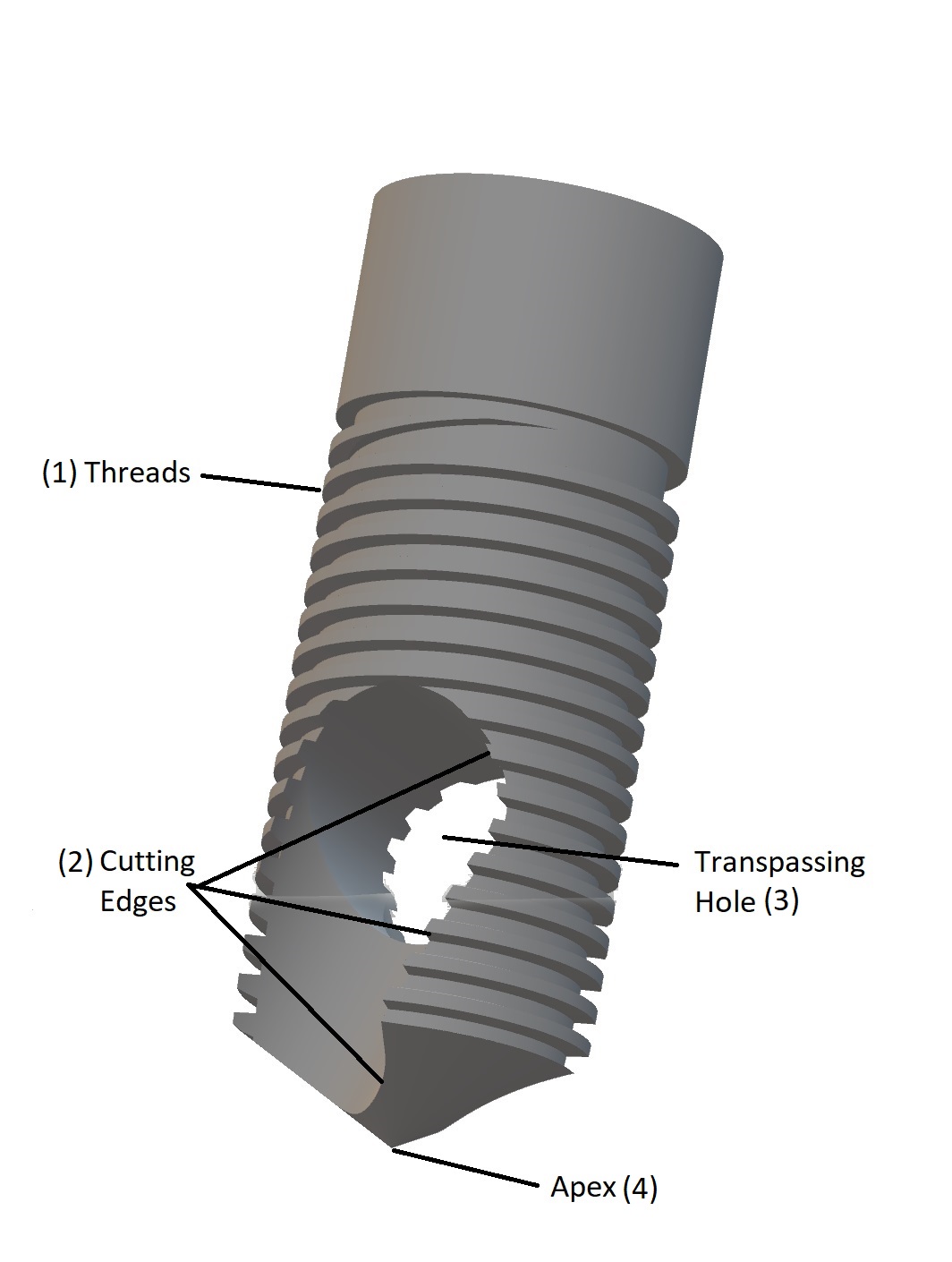
The interactive STL model presents the BKS geometry that developed from the 2005 clinical observation. Rotate and enlarge the device to examine its threads, cutting edges, transpassing hole and apex. These features support the proposed sequence of cutting, collecting, compacting and retaining autogenous bone.
Research modelThis model supports visual and engineering study of the BKS concept developed by Carlos A. Andreucci. It is presented for education and research, not as patient-specific clinical guidance.
Loading the BKS model...
01 Threads02 Cutting edges03 Transpassing hole04 Apex
03 / DOCTORAL FOUNDATION
Biomechanical Applications of a Novel Simple Machine
The initial studies culminated in a doctoral thesis approved at the University of Porto, Faculty of Engineering, within Mechanical Engineering and Biomedical Engineering. The work was supervised by Professor Renato Natal Jorge and Professor Elza M. M. Fonseca.
The thesis organized BKS as a platform for bone fixation, drilling, material collection, densification, graft transport and measurement, establishing the foundation for the subsequent publication program.
Access the doctoral thesis ↗- Institution
- University of Porto, FEUP
- Field
- Biomedical Engineering and Mechanical Engineering
- Researcher
- Carlos Aurelio Andreucci
- Supervision
- Renato Natal Jorge and Elza M. M. Fonseca
- Persistent record
- hdl.handle.net/10216/158130
04 / RESEARCH ARCHITECTURE
One clinical question.
Six connected programs.
The program progresses from a measurable device mechanism to broader questions about living tissue, physical integration and clinical translation.
BKS mechanism and stability
Study simultaneous cutting, drilling, collection and compaction, together with insertion torque, removal torque, friction, pressure and early mechanical fixation.
Bone as an active material
Investigate retained autogenous particles, increased material density, immediate graft transport, remodeling and the transition from primary mechanics to biological integration.
Materials and bioactive surfaces
Compare titanium manufacturing routes, hierarchical micro and nanotopographies, anodization, additive manufacturing and infection-resistant or regenerative surface strategies.
Modeling and measurement
Combine finite element analysis, CFD-DEM, torque acquisition, compression and failure testing, microscopy, imaging and reproducible synthetic and biological models.
BPEM and functional living systems
Develop testable links among mechanical loading, piezoelectricity, electromagnetic interaction, vascular response, homeostasis, osseointegration and biocompatibility.
Translation for OMS
Convert engineering findings into safer fixation strategies, implant design, craniofacial reconstruction, education and clinically meaningful research questions.
05 / ACADEMIC DISCIPLINE
Separate what is published from what must still be tested.
Mechanism and feasibility
Peer-reviewed work reports numerical models, prototyping, material densification, biotribology, bone collection, torque and stability, autogenous graft transport, sinus-lift concepts, mandibular osteotomy biomechanics, frictional cohesive force and bioactive surface development.
Mechanobiological integration
Current questions include vascularized bone ingrowth, internal osseointegration, interface load transfer, micromotion, flow and compaction, the transition from early mechanical stability to remodeling, and the role of physical fields in homeostasis.
Independent and multicenter evidence
Priorities include standardized controls, full torque curves, FEA and CFD-DEM validation, microscopy, in vivo comparisons, long-term histology, fatigue testing, infection-resistant surfaces, reproducible datasets and regulatory planning.
CLINICAL TRANSLATION · PEER-REVIEWED CASE
When an implant complication revealed a systemic disease.
A 55-year-old man developed a left parasymphyseal mandibular fracture and osteomyelitis after an immediate mandibular implant protocol. The complication required more than fracture fixation: infection control, systemic bone assessment, mechanical stabilization and carefully adjusted rehabilitation had to work as one pathway.
DOI10.3390/osteology4010001Open the full article ↗inShare this case on LinkedIn01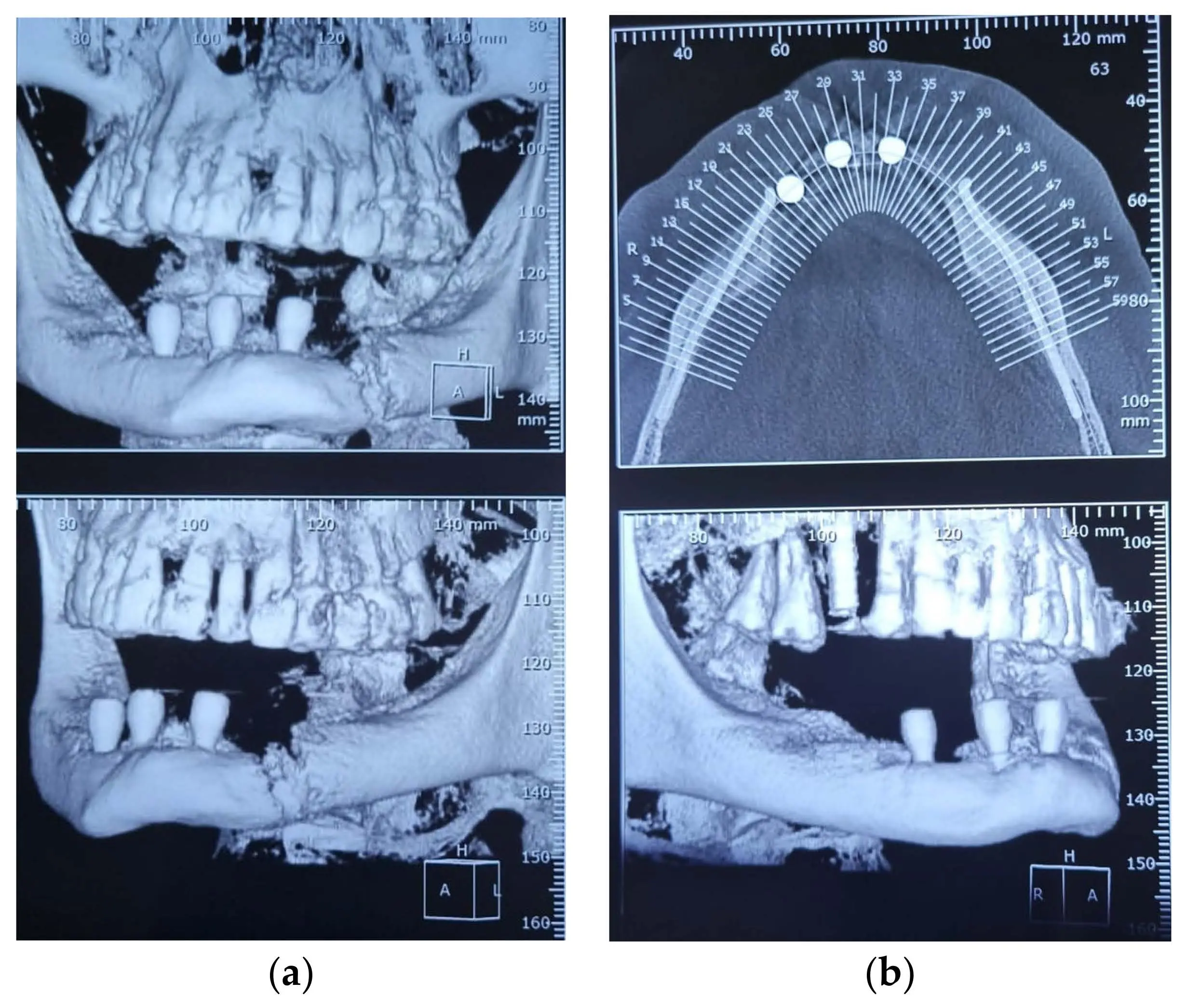
02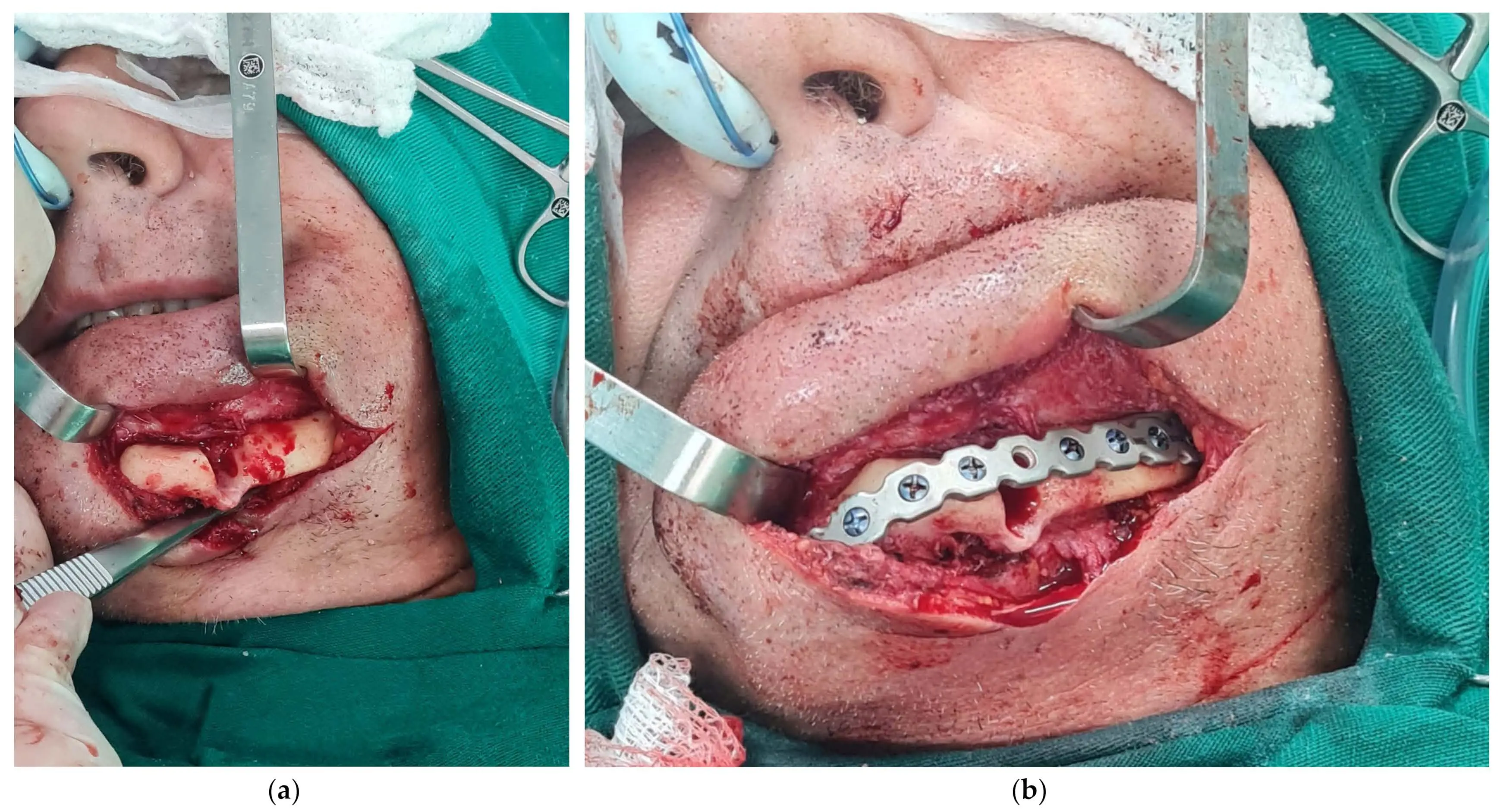
03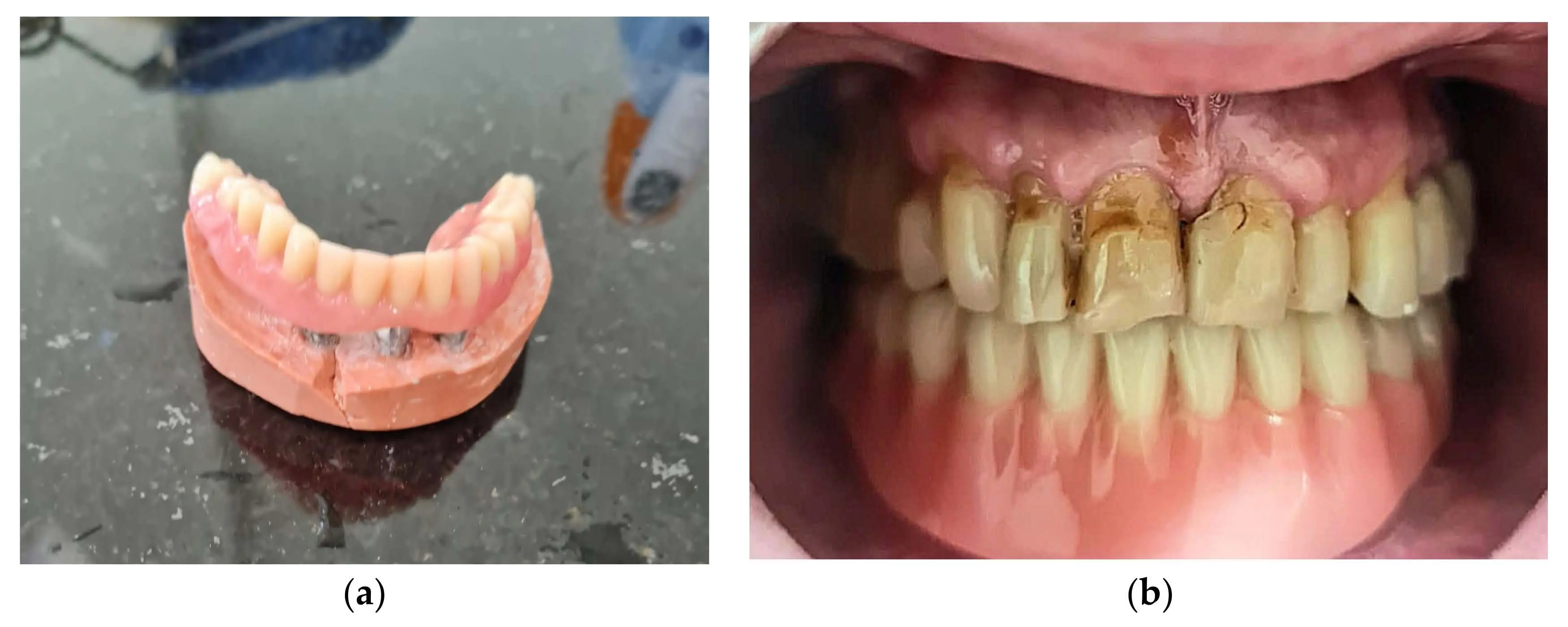
Abscess drainage, antimicrobial therapy and close clinical monitoring created the conditions for definitive treatment.
Bleeding bone margins, reduction and rigid fixation restored mandibular continuity after the infectious process was controlled.
DEXA identified severe osteoporosis, with a reported femoral-neck T-score of -3.0, prompting specialist medical care.
The final prosthesis redistributed occlusal forces; follow-up recorded no pain, parafunction or recurrent abnormality.
WHY THIS CASE MATTERS
Implant planning cannot be separated from systemic bone health, infection risk and occlusal biomechanics. The successful result came from treating the patient as an integrated biological and mechanical system—not from addressing the fracture alone.
Calber Artur Andreucci, Murillo Martins and Carlos Aurelio Andreucci · Osteology 2024, 4, 1–10 · CC BY 4.006 / SELECTED PUBLICATIONS
Open the evidence in one click.
Selected publications defining the BKS, BPEM and OMS biomechanics research line. For the complete and continuously updated record, use ORCID.
View complete ORCID record ↗2026Bioactive surfaces
Hierarchical Micro/Nanostructured Anodized Surface for a 3D-Printed Bioactive Kinetic Screw
Applied Sciences
Open publication ↗2025Mechanical advantage
Frictional Cohesive Force and Multifunctional Simple Machine for Advanced Engineering and Biomedical Applications
Applied Sciences
Open publication ↗2024Living systems
Biopiezoelectromagnetic and Mechanical Effect
Proceedings of the IMechE, Part L
Open publication ↗2024OMS biomechanics
Biomechanics of a Novel 3D Mandibular Osteotomy Design
Designs
Open publication ↗2024Clinical translation
Mandibular Fracture following Dental Implant Protocol: Clinical Report and One-Year Follow-Up
Osteology
Open publication ↗2023Primary stability
Static in Bone Implants: Standard Steady-State Torque and Primary Stability in a Bioactive Kinetic Screw
Journal of the Brazilian Society of Mechanical Sciences and Engineering
Open publication ↗2023Bone collection
A New Collector Device for the Immediate Use of Particulate Autogenous Bone Grafts
Applied Sciences
Open publication ↗2023Sinus augmentation
A New Simplified Autogenous Sinus Lift Technique
Bioengineering
Open publication ↗2023Autogenous grafting
Immediate Autogenous Bone Transplantation Using a Novel Kinetic Bioactive Screw 3D Design as a Dental Implant
BioMedInformatics
Open publication ↗2023Biotribology
Bio-lubricant Properties Analysis of Drilling an Innovative Design of Bioactive Kinetic Screw into Bone
Designs
Open publication ↗2022Additive manufacturing
3D Printing as an Efficient Way to Prototype and Develop Dental Implants
BioMedInformatics
Open publication ↗2022Material densification
Increased Material Density within a New Biomechanism
Mathematical and Computational Applications
Open publication ↗2022Numerical model
Proposal for a New Bioactive Kinetic Screw in an Implant, Using a Numerical Model
Applied Sciences
Open publication ↗07 / INTERNATIONAL RESEARCH NETWORK
Bring a method.
Bring a clinical question.
Build the evidence together.
The program welcomes serious collaborators who can strengthen experimental rigor, independent validation and translation to patient care.
Propose a collaborationACADEMIC AFFILIATIONS AND COOPERATION
Institutional names indicate author affiliations, scientific cooperation or project participation. They do not necessarily represent formal institutional endorsement of the Maxillofacial Trauma Team.