Honored for the clinical leadership and team culture that inspired this international network.
 Maxillofacial Trauma TeamInternational case forum
Born from teamwork in Santo André · Open to the world
One trauma team.
Without borders.
A professional forum where Oral and Maxillofacial Surgery teams preserve clinical experience, discuss decisions, and turn every well-documented case into shared education.
Clinician-ledModerated casesInternational collaboration
01 / ORIGIN
A hospital team rebuilt as an international learning network.
The project is inspired by the OMS trauma team coordinated by Professor Gino Emilio Lasco in Santo André, São Paulo. This environment was shaped by university-hospital exposure, multiple residency programs and close collaboration with specialties including neurosurgery.
This platform carries that same spirit forward: cases belong to patient care, but their lessons can strengthen an entire professional community.
Oral and Maxillofacial Surgeon, biomedical engineer and educator.
iD ORCID 0000-0003-1612-5775 ↗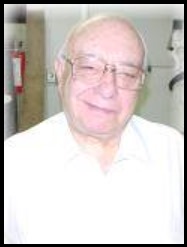
Professor Gino Emilio Lasco
Founding Member · In memoriamA CLINICAL AND EDUCATIONAL LEGACY
Professor Gino Emilio Lasco
A pioneering Brazilian Oral and Maxillofacial Surgeon whose career helped open facial trauma and major maxillofacial surgery to generations of dental surgeons.
After graduating from the University of São Paulo School of Dentistry in the late 1940s, Professor Lasco completed two years of training in Otorhinolaryngology and two years in Plastic Surgery. Invited by Professor Raphael da Nova to work as a maxillofacial prosthetist, he helped rehabilitate patients with losses involving the nose, eye and zygomatic region and contributed to the development of maxillofacial prosthesis at USP.
His diagnostic revision and surgical treatment of a seven-year-old child with bilateral TMJ ankylosis in 1961 became part of the foundation for an OMS specialty in the service. In the early 1970s he established an intensive two-year residency. The published historical account credits him with training more than 200 specialists before retiring in 2004 at age 84.
His method joined a high clinical volume to daily case discussion, meticulous notebook records and multidisciplinary work with Orthopedics, Ophthalmology, Otorhinolaryngology, General Surgery and Neurosurgery. Residents observed cases repeatedly before operating under supervision. Carlos A. Andreucci is a direct disciple of this educational tradition.
His greatest legacy was not a single operation. It was the creation of teams able to think, operate, teach and learn together.
A personal continuation
Carlos A. Andreucci trained within the Santo André university-hospital environment shaped by Professor Lasco's leadership and has studied this educational method for more than 25 years. The Maxillofacial Trauma Team carries that experience forward as an international forum for clinical memory, education and responsible discussion.
PUBLISHED FOUNDATIONS AND LEGACY RECORDS
Published proof of concept · Osteology, 2024Sixty Years of Innovation in Biomechanical Orthognathic SurgeryA peer-reviewed account of an orthognathic technique performed by the same team for more than 40 years, supported by a 20-year postoperative follow-up and interpreted through biomechanics and bone remodeling.
Read the open-access article ↗Residency principles · Health, 2024Maxillofacial Surgery Education: Where Is It Heading?The published foundation for the team's intensive residency model: high clinical volume, supervised progression, multidisciplinary trauma care, daily case discussion, personal clinical notebooks and long-term follow-up.
Read the open-access article ↗Professor Gino Emilio Lasco standardized a surgical technique for benign masseter hypertrophy and compared normal and hypertrophied muscle through cytometric analysis, connecting operative treatment with quantitative tissue study. Original title: Hipertrofia benigna do músculo masseter: padronização de técnica cirúrgica e estudo citométrico comparativo entre músculo normal e hipertrofiado.
A first-person historical account of the development of hospital-based maxillofacial surgery and specialist education in Brazil.
A classical case edition presenting the historical foundation, modified inverted L mandibular osteotomy, complete operative sequence, results and 20-year follow-up.
Read the classical article and all figures ↗TMJ surgery · Original article and English translationPainful Temporomandibular Joint DysfunctionWork arising from two decades of investigation, more than 10,000 examined patients and an extensive surgical experience reported by the team.
Read the historical publication ↗A lower-risk surgical approach developed after years of clinical use and approximately 60 reported cases.
An experimental program studying practical sterilization for instruments used in clinics, outpatient units and hospitals.
Professor Lasco coordinated the medical and artistic team responsible for preserving this historical record in 1985.
BIOMEDICAL ENGINEERING FOR OMS
Clinical judgment asks the question.
Engineering tests the answer.
From Professor Lasco's cautious philosophy of bone fixation to Carlos A. Andreucci's BKS and BPEM research, this program connects OMS, biomechanics, biomaterials, bone regeneration and translational technology.
INTERNATIONAL RESEARCH NETWORK
Evidence grows through collaboration.
The research program connects clinical questions with biomedical engineering, mechanics, biomaterials, additive manufacturing and translational development across an international network.
Explore the research collaborations →Academic network Universities and research departmentsInnovation network AO Foundation and M4M Swiss
Institutional names indicate author affiliations, scientific cooperation or project participation. They do not necessarily represent formal institutional endorsement of the Maxillofacial Trauma Team.
02 / CLINICAL FORUM
Cases as they were lived.
Structured so others can learn.
Not a conventional journal. Each accepted report is a detailed, de-identified clinical record with an editorial check for clarity, consent and educational value.
SPECIAL COLLECTION · 60+ YEARS
Lasco Historical Clinical Archive
A living notebook of cases treated by Professor Lasco’s team, reconstructed in clinical sequence and narrated as if each case had just arrived.
Public case historyMultiple treatment possibilitiesSole curator: Carlos A. AndreucciEnter the archive →
Craniofacial trauma
A shared record of decision-making, treatment and follow-up
↗Mandibular trauma
From emergency assessment to longitudinal outcome
↗Interdisciplinary care
OMS, neurosurgery and hospital teams around one patient
↗The first cases will be published only after the founding editorial board approves the submission and patient-protection policy.
03 / THE CASE REPORT
Turn a clinical event into evidence others can use.
A case report does not require an experimental design, but it does require a clear clinical question, transparent chronology, diagnostic evidence, treatment rationale, documented outcome and honest limitations.
- 01Why the case matters
Define the unusual problem, learning value and clinical question without exaggerating novelty.
- 02Patient and diagnostic evidence
Present the de-identified history, examination, imaging, tests, differential diagnosis and relevant risks.
- 03Clinical decision pathway
Explain the alternatives considered, why the chosen treatment was appropriate and how it was performed.
- 04Outcome and follow-up
Report complications, rehabilitation, objective findings, patient outcome and the duration of observation.
- 05Discussion and limitations
Compare the case with reliable literature, separate observation from inference and state what cannot be concluded.
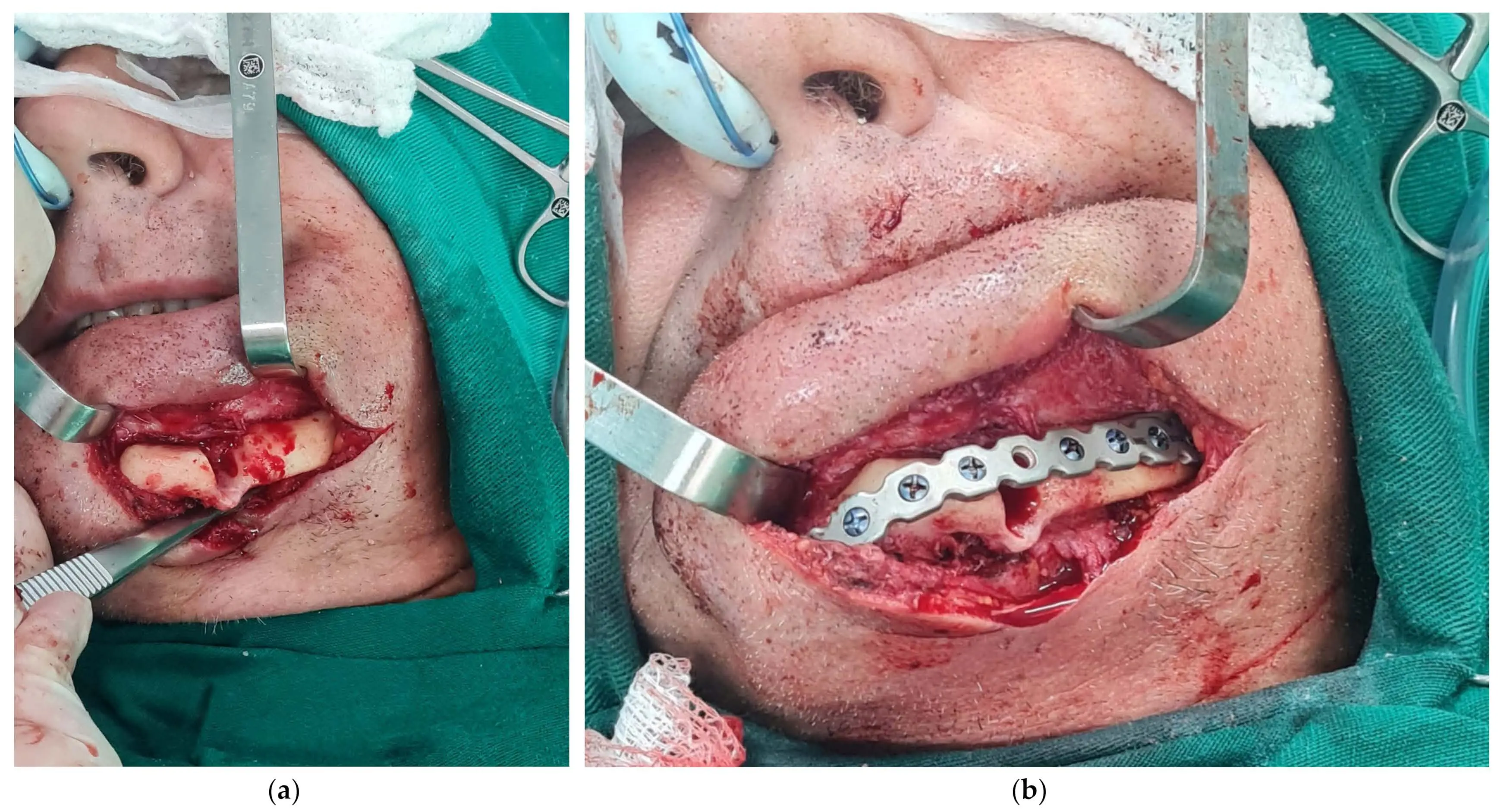
PUBLISHED CASE REPORT · OSTEOLOGY 2024
Mandibular Fracture following Dental Implant Protocol
A 55-year-old man developed a parasymphyseal fracture and osteomyelitis after immediate mandibular implant rehabilitation. The report follows the complete pathway from emergency infection control and rigid fixation to the discovery of severe osteoporosis, specialist medical management, prosthetic rehabilitation and a stable one-year outcome.
Clinical problem Fracture + osteomyelitisSystemic finding Osteoporosis, T-score -3.0Outcome Functional rehabilitation at one year
MODEL CASE REPORT
This paper demonstrates how a complex complication can be reported as a chronological, multidisciplinary clinical argument rather than as a collection of isolated procedures.
View the visual case summary →Open DOI 10.3390/osteology4010001 ↗in Share this case on LinkedInPatient dignity comes before publication.Written consent, complete de-identification and editorial approval will be mandatory before any clinical image or record appears publicly.
04 / PROFESSIONAL PATHWAY
Membership that reflects contribution, not status alone.
Every constructive activity can build a transparent contribution record: submitting a case, discussing responsibly, reviewing a report, teaching, or supporting collaborative work. Levels are reviewed annually; honorary membership recognizes three years of sustained active participation.
Verified members may use the team emblem for personal and professional identification in accordance with the society's future brand policy.
01
Registered MemberJoin with verified name and email
02
Active ContributorEarn points through cases, discussion and review
03
Clinical FellowSustained contribution after the first annual review
04
Senior FellowLeadership in education, review and collaboration
05
Honorary MemberThree years of active, ethical participation
05 / GOVERNANCE
Simple participation.
Serious professional standards.
The forum is designed to remain easy to enter and safe to trust. Membership begins with name and email; publication requires professional verification, patient protection and editorial review.
Editorial independence
Case acceptance is based on completeness, educational value, ethical documentation and respectful professional language, not prestige or commercial interest.
Patient protection
Cases must be de-identified. Clinical images require documented authorization. The editorial team may request additional masking or decline publication.
Constructive discussion
Members may question indications, decisions and outcomes, but criticism must address the clinical reasoning rather than attack the professional.
Transparent authorship
Every contributor is identified. Conflicts of interest, device relationships and meaningful collaborators must be declared with the case.
CONTRIBUTION POINTS
Activity creates progression.
Points document participation; annual promotion also requires professional conduct and editorial approval. Inactivity never creates automatic rank.
Accepted clinical case+50
Structured case review+15
Constructive clinical comment+5
Educational contribution+20
Collaborative research activity+30
Editorial or moderation service+20
06 / EDUCATION
A living guide beside a living community.
Manual revision desk
Readers may identify unclear passages, challenge concepts and propose corrections. Accepted feedback will be recorded for the next edition.
Editorial contact planned: contact@maxillofacialtraumateam.orgOMS52
Founding educational resource
Oral and Maxillofacial Surgery: A Residency Manual
483 pages and 52 chapters following the learning curve from foundations to independent surgical judgment. Readers will also be invited to identify unclear passages, challenge ideas and help shape future revisions.
FOLLOW THE TEAM
Clinical experience should continue the discussion.
Follow the official Maxillofacial Trauma Team Page for newly published historical cases, OMS education, clinical reflections and opportunities to contribute.
07 / FOUNDING NETWORK
Help form the first international Maxillofacial Trauma Team.
Registration begins with only your professional name and email. Membership remains pending until email and professional eligibility are verified. The public directory will never display member email addresses.
Designed for easy accessOne-page navigation, readable typography, mobile support and no unnecessary account fields.